|
General Guide for All
|
|
|
|
Top |
|
Infants & Toddlers
|
|
Dental Care Checklist
√ Take your infant to the dentist by age 1. Schedule your child's
first dental visit by the age of 1 or after a first tooth erupts.
√ Clean your infant's gums. Use gauze to clean your baby's gums
after feedings and at bedtime. Ideally, this should be done even before your child's
first tooth erupts.
√ Brush baby teeth. Once your child's baby teeth erupt, brush them
with a small soft- bristled toothbrush and a pea- sized amount of toothpaste after
feedings and at bedtime.
√ Floss baby teeth. When two baby teeth erupt side by side, gently
floss them at least once a day (preferably before bedtime).
√ Wean your baby from the bottle. Ask your pediatrician or dentist
when you should stop breastfeeding. If your baby is bottle-fed, wean your child
from the bottle by the age of 1.
Keep an eye on:
Baby Bottle Tooth Decay -- The health of your infant's baby teeth
is important to the healthy growth of their permanent teeth. To keep your infant's
teeth healthy be sure to clean them after feedings, and avoid putting your baby
to bed with formula or fruit juice (these contain decay- causing sugars); use water
instead.
Signs of Teething -- Your baby's first tooth can erupt, or "cut,"
as early as three months and as late as a year. On average, babies experience their
first tooth at about 7-months old. The symptoms of teething can vary greatly from
child to child, but if your baby becomes increasingly irritable or starts drooling,
biting and coughing more than normal he or she could be teething. Try giving your
baby a teething ring or bottle of cold water for relief. If the symptoms don't subside,
ask your pediatrician advise.
Excessive Pacifier Use---- Pacifiers are great for soothing your
baby, helping your baby sleep and providing them with a harmless distraction. But
if your infant uses a pacifier for more than three years, he or she may develop
dental problems such as slanted teeth or a misaligned bite later on. If you have
a difficult time weaning your baby from pacifier use, ask your dentist about alternative
ways to give the comfort your child craves.
|
|
Top |
|
Kids
|
|
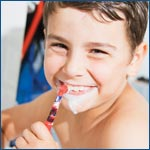
KIDS
Dental Care Checklist
√ Schedule regular dental exams and cleanings. Now that their permanent
teeth are growing in, it's the perfect time to get kids used to healthy habits that
are good for their teeth; that includes going to the dentist every six months!
√ Teach your kids how to brush and floss. By the time your child
reaches the age of 6 he or she should have the coordination skills required to brush
teeth. Teach your child proper tooth brushing techniques, which include short, up-
and-down and back-and-forth strokes and brushing around their gum line. Teaching
your child how to floss might be trickier, so you may want to buy floss picks to
start off.
√ Look into dental sealants. Ask your dentist whether your child
should get dental sealants for added protection against tooth decay.
√ Monitor fluoride use. Check to see if your community water supply
is fluoridated. If not, ask your dentist about professional fluoride treatments
for your child. Keep in mind that too much fluoride can cause dental fluorosis.
√ Ask your dentist about mouthwash. Ask your dentist whether your
child should use mouthwash and which types are safe for children. Generally speaking,
your safest bet will be an alcohol-free mouthwash made especially for children.
When teaching your child how to rinse with mouthwash, be sure to demonstrate how
to rinse without swallowing.
√ Prepare healthy meals and smart snacks. A nutritious, well-balanced
diet is just as important for your child's teeth as it is for overall health. Instead
of cookies, potato chips and ice cream, give your kids smart snacks such as fresh
fruit and vegetables, unsalted pretzels, plain yogurt, nuts and low-fat cheese.
√ Schedule an orthodontic evaluation. Many orthodontists recommend
that children receive a complete orthodontic evaluation by the age of 7.
Keep an eye on:
Bad Bite or Crooked Teeth-- When your child's
permanent teeth grow in look out for crooked teeth bite problems such as an overbite,
underbite or crossbite.
Prolonged Thumb-Sucking -- Thumb-sucking is a fairly common and
generally benign habit among young children. However, if your child is still thumb
sucking after the age of 5, speech and bite problems may start to develop. You can
play an active role in helping your child break a thumb-sucking habit by establishing
a reward system: Place stickers or gold stars on a calendar for each day your child
doesn't suck his or her thumb and have a bigger celebration after a certain period
of time.
|
|
Top |
|
Teens
|
|
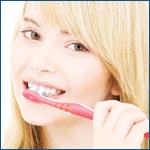
TEENS
Dental Care Checklist
√ Get an exam and cleaning every six months. If you're a teen,
you'd probably rather do anything but get a dental exam and cleaning. But the longer
you put it off, the worse your teeth can get.
√ Keep brushing and flossing every single day. In addition to brushing
and flossing at home, put together an oral hygiene toolkit to use at school. It
may not seem cool, but neither is bad breath, cavities, tartar buildup or gum disease!
√ Drink plenty of fluoridated water. Instead of reaching for soda
or energy drinks, drink filtered tap water instead (most community water supplies
are fluoridated; bottled waters are not). If you're unsure about the tap water at
your school, bring filtered water from home or get a water bottle with a built-in
filter.
√ Maintain a well-balanced diet. Your bod isn't the only thing
that benefits from nutritious meals -- so do your teeth! Opt for smart snacks like
fresh fruit, cheese, unsalted pretzels and celery or carrot sticks instead of cookies,
chips and candy bars.
√ Ask your dentist about mouthguards. If you play sports, it's
important to protect your teeth during high and low- impact activity. Your dentist
can provide recommendations for mouthguards-- both custom-made and over-the-counter
-- so be sure to get expert dental advice about which mouthguard is best for you.
Keep an eye on:
Oral Piercing Infections -- More and more teenagers are getting
their tongues and lips pierced, but studies show that oral piercings can cause a
host of dental problems like cracked or chipped teeth, gum injuries and even nerve
damage. If your teenager already has an oral piercing, make sure that regular dental
visits and periodic teeth and gum checks are performed at home. If your teen is
thinking about getting an oral piercing, schedule a dental visit beforehand for
advice.
Gum Disease -- Gum disease may seem like a dental problem that
affects only adults, but it often starts during puberty. Hormonal changes can cause
your teen's gums to be extra sensitive, especially if your teen is female. Wearing
dental braces can also make brushing and flossing difficult, leaving your teen's
gums vulnerable to plaque and tartar buildup. So if you notice that your teen's
gums are bleeding while flossing or that they have bad breath, schedule a dental
appointment. Your dentist can make a proper diagnose and start your teen on gum
therapy.
Eating Disorders -- Anorexia and bulimia are serious diseases that
can cause great damage to your teeth as well as your body. If your teenager has
been diagnosed with an eating disorder, you'll obviously want to get them the proper
medical and psychological help they need. But don't forget to take your teenager
to the dentist, too. A dentist can help with dental problems such as large cavities,
mouth lesions and bleeding gums, which are commonly associated with eating disorders.
Canker Sores -- If your teenager wears braces, he or she may be
more susceptible to developing canker sores. Canker sores often go away on their
own, but practicing good oral hygiene and avoiding acidic foods can also help your
teen fight off future outbreaks. If canker sores are causing your teenager extreme
discomfort or last longer than three weeks, contact your dentist for help.
|
|
Top |
|
Adults
|
|
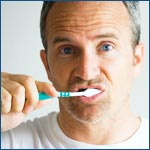
ADULTS
Dental Care Checklist
√ Visit your dentist regularly -- don't let visits slide! Adult
life can sometimes be a juggling act and it may feel like you just can't find the
time for a dental visit. But making time for regular dental visits now can help
keep you out of the dental office in the future.
√ Brush and floss daily, even if you're tired. You've heard this
a million times by now, but the importance of regular brushing and flossing can
never be emphasized enough. Even if you've been good about your oral hygiene all
your life, resist the temptation to let it slide for even one day; the longer plaque
stays on your teeth the more harmful it becomes.
√ Limit fast food; eat well-balanced meals. When you're juggling
work, home and kids, it can be easy to turn to fast food, soda and sugary snacks
as a way to save time and feel more energetic. But sugar is a tooth decay demon
and can cause you to crash after that initial "sugar high." Be sure to integrate
plenty of fresh vegetables into your daily meals and eat fruit, nuts and celery
or carrot sticks as snacks.
√ Exercise regularly; it's good for your teeth! Studies show that
people who maintain a healthy lifestyle -- exercise and eating right -- are 40 percent
less likely to develop periodontitis (advanced gum disease).
√ Consider treating yourself to cosmetic dentistry. Whether you
want a quick boost or a complete smile makeover, there are plenty of cosmetic dental
treatments available to help you achieve your dream smile. One-hour laser teeth
whitening treatments can make your teeth 8-10 shades whiter, and porcelain veneers
can mask stained teeth, chipped teeth or crooked teeth.
Keep an eye on:
Excessive Drinking -- It's common for adults to wind down their
day with a glass of wine or a stiff cocktail. However, if you drink excessively
you could be susceptible not only to alcoholism but also dental conditions such
as oral cancer. Talk to your dentist if you think you could be at risk.
Smoking Risks -- In addition to lung cancer and birth defects,
studies have shown that smoking cigarettes can also increase your chances of oral
cancer and gum disease as well as tooth loss. Good oral hygiene practices and regular
dental visits are even more crucial if you smoke, so be vigilant!
Hormonal Changes -- The hormonal changes caused by pregnancy can
affect your teeth and gums. Some pregnant women develop gum tumors, but about 50
percent of pregnant women experience pregnancy gingivitis, which can turn into periodontal
disease if left untreated. But remember, dental disease isn't inevitable. Practicing
good oral hygiene habits can help reduce your risk and so can visiting the dentist
every six months!
Diabetes Complications -- Adults 45 and older are at an increased
risk of developing type 2 diabetes. If you're in this age group, the last thing
you want to do is be lax about your health -- including your oral hygiene routine.
Regular brushing and flossing are essential because the poor blood sucrose control
associated with diabetes can make your gums more vulnerable to gum disease.
|
|
Top |
|
Seniors
|
|

SENIORS
Dental Care Checklist
√ Visit your dentist regularly. Hopefully, you've had a lifetime
of professional dental care. Don't stop now! Just as these years might motivate
you to take special care of your overall health, it's a good idea to give your teeth
some extra attention, too. That means visiting your dentist regularly and practicing
good oral hygiene habits at home.
√ Get professional denture care. Over time, your dentures may start
to loosen and shift while you talk or eat. You don't have to endure this discomfort,
but you should seek your dentist's help rather than try to use an over-the-counter
denture repair kit, which can damage your dentures. With a professional denture
reline, your dentist can reshape your dentures so that they look and feel great
again.
√ Switch to an electric toothbrush if necessary. Arthritis or a
decline in mobility may make it difficult to brush your teeth. Using an electric
toothbrush can help eliminate a lot of the physical movement required to brush manually,
doing most of the work for you.
√ Consider dental implants to replace missing teeth. Dental implants
are one of the most revolutionary dental treatments around. And with today's technology,
you can sometimes get dental implants in a single visit! Many patients prefer dental
implants over dentures because of their natural look and feel.
Keep an eye on:
Dry Mouth Symptoms -- Aging can inhibit proper saliva production,
leaving your mouth susceptible to dry mouth syndrome. And if you have a systemic
disease like diabetes and take medication, you may also be more likely to develop
dry mouth. Talk to your dentist or physician if you notice symptoms occurring after
taking medication. Avoiding salty foods, drinking plenty of water and limiting your
caffeine and alcohol intake can provide relief, but be sure to talk to your dentist
or physician before making changes to your diet.
Cavities -- Yes, seniors get cavities, too. In fact, seniors may
be more susceptible to tooth decay because many didn't have access to a community
fluoridated water system in their early years. So remember: Good oral hygiene habits
and regular dental visits are just as important, if not more, in your golden years.
Root Decay -- Not many people have heard of root decay. Root decay
can develop when your gums recede enough to expose your tooth roots as well as the
cementum that covers them. After prolonged exposure, your tooth roots can start
to decay. Signs to look out for include a yellowish tint or "notches" near your
gum line.
Tooth Stains -- No matter what age you are, plaque will always
be waiting to attach to your teeth. But as you get older, plaque is quicker to build
up and can become more difficult to remove. Brushing and flossing daily, especially
before bedtime and in the morning, are essential for removing the plaque that builds
up while you sleep. Consider using a plaque rinse, but be sure to consult your dentist
first!
Sensitivity to Hot or Cold -- You may experience tooth sensitivity
to hot or cold food and beverages as you age. Mild, occasional tooth sensitivity
is normal to a certain degree because your gums naturally recede over time. However,
if tooth sensitivity persists, it could be a sign that you have a cracked or broken
tooth or gum disease. The surest way to ease, even eliminate tooth sensitivity,
is to visit your dentist for an evaluation and treatment.
|
|
Top |
|