|
The oral disorder caused from insufficient supply of saliva in mouth is termed as
Dry Mouth or Xerostomia. Dry mouth can be more than just a dry or parched sensation
in the mouth. It is a symptom of a preexisting condition or leads to various other
forms of oral infection and disease.
Dryness of the mouth is a result of a decreased or inhibited flow of saliva. Though
you may not realize it, saliva plays a prominent role in your oral and overall health.
Harmful forms of bacteria in the mouth (called anaerobic, literally meaning "without
air) thrive and multiply at a much higher rate in environments with less oxygen.
Saliva, being highly concentrated in oxygen, helps to kill these bacteria and wash
them away. Without this natural bacteria inhibitor present, bacteria can quickly
grow out of control and wreak havoc on your oral health.
Having a dry mouth is just the beginning. When the mouth is persistently dry, it
can lead to gum infections and more serious conditions like gingivitis and periodontal
disease- which has now been linked to other health conditions such as heart disease,
stroke, and diabetes.
Signs of dry mouth are saliva that seems thick or stringy, sores or split skin at
the corners of the mouth, cracked lips, bad breath, difficulty speaking or swallowing,
sore throat, altered sense of taste, fungal infection of the mouth and lastly increased
plaque, tooth decay and gum disease
Progression of dry mouth
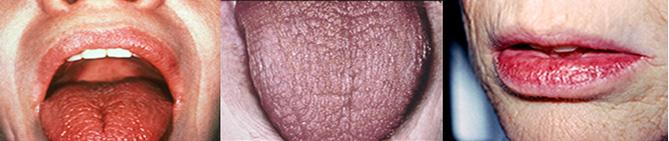
- Redness
- Bad breath
- Tongue/gum infection
- Irritation
- Sores or split skin
- Cracked lips
Remedy:
Increase water intake. Sugarless lemon drops are known to temporarily stimulate
saliva production. Treatments include intake of saliva substitutes or saliva stimulators.
|